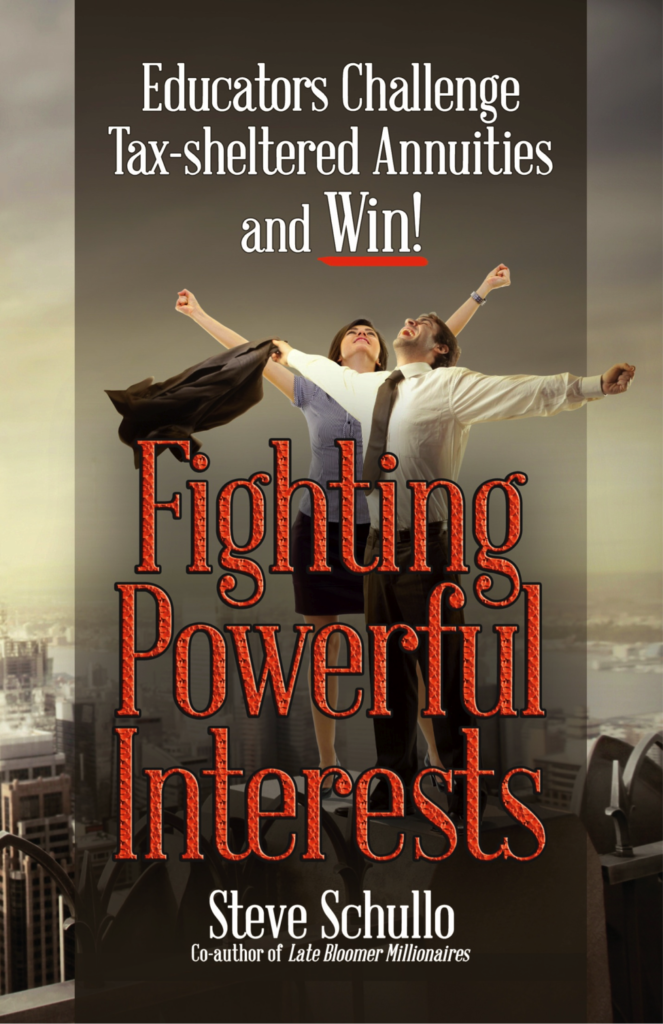
2 free paperback copies of our book will be given away in a fun contest! To enter, submit a creative and informative T-Shirt message.

DSC_6497

ENTER THIS FUN CONTEST TO WIN A PAPERBACK COPY OUR BOOK: LATE BLOOMER MILLIONAIRES!

(Every­body is eli­gi­ble even if you received a free eBook)

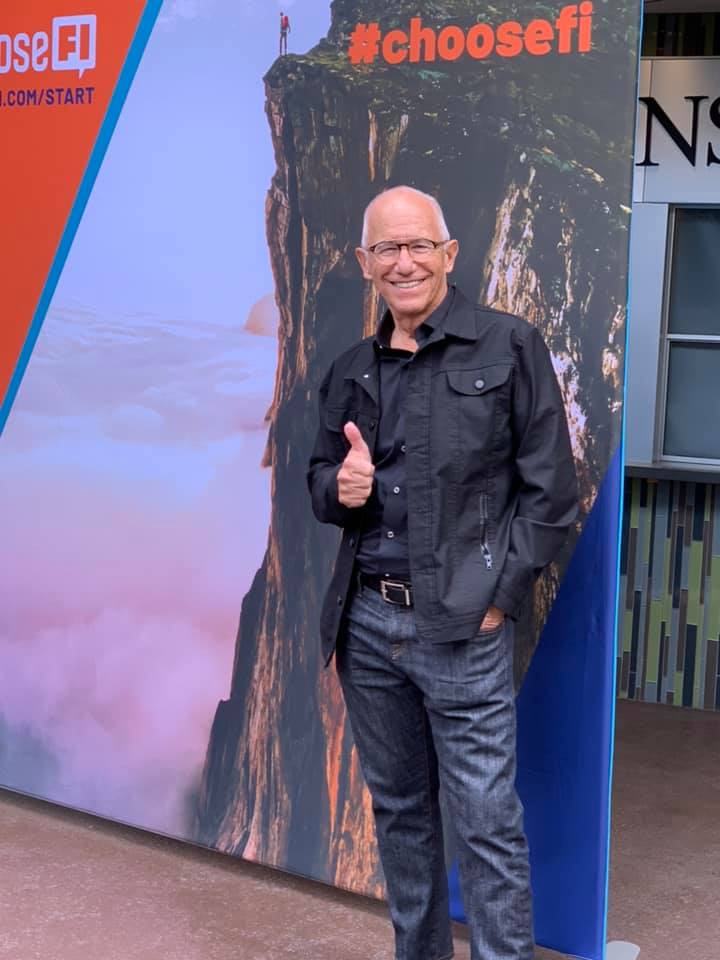
Idea for this con­test: At the end PBS Front­line doc­u­men­tary, “The Retire­ment Gam­ble,” Dan and I were filmed walk­ing around our neigh­bor­hood. I was wear­ing the above T-shirt and it got a lot of atten­tion. One viewer wanted to know where we got that t-shirt! HE LOVED IT! I informed him that I had it custom-made. His mes­sage to me was “Friends don’t let friends buy shitty annu­ities.” I thought his mes­sage was won­der­ful and he inad­ver­tently gave Dan and I this con­test idea.

So, folks, here are the sim­ple rules: To enter, please respond to this post with your t-shirt mes­sage so we all can see each oth­ers’ cre­ations (your email address will not be posted). The mes­sage theme cen­ters around the idea that tax-sheltered annu­ities are expen­sive with dimin­ished long-term per­for­mance: they should be avoided in tax-deferred retire­ment plans. The mes­sage needs to be educa­tive in nature, polit­i­cally cor­rect and infor­ma­tive. It could in the form of a warn­ing to every­body to stay away from annu­ities in tax-deferred retire­ment plans or demand­ing that the insur­ance indus­try stop this self-serving prac­tice of sell­ing inap­pro­pri­ate plans, such as our exam­ple above. You can tai­lor your mes­sage to your pro­fes­sion, friends and col­leagues. Its not just a K-12 problem.

Here are more exam­ples that Dan and I cre­ated:

“Annu­ities are for babies!”

“The 50-year rela­tion­ship of K-12 teach­ers and annu­ities need a DIVORCE!”

“The 50-year rela­tion­ship of teach­ers’ unions and annu­ities need a DIVORCE!”

“This teacher doesn’t let col­leagues buy shitty annuities”

“Why is that guy or gal with the retire­ment plan brochures smiling?”

We will give away two books. Dan and I will be the judges. One book will be given to the per­son whose mes­sage we think will be the most clever, infor­ma­tive and educa­tive. The other is for all who sub­mit­ted a mes­sage. We will put the remain­ing mes­sages in a hat and draw the win­ning person.

After the con­test, we want every­body to use any sub­mit­ted mes­sages, make your own t-shirt (I got mine made from a web­site, Google cus­tom t-shirts) and start wear­ing them to your asso­ci­a­tion or union meet­ings, around town or social events. It is a great con­ver­sa­tion starter. We plan order­ing more custom-made t-shirts made from the mes­sages sub­mit­ted and wear them 24–7.

Good Luck

Steve and Dan


Book Review of “Pound Foolish”

I (Steve) eagerly antic­i­pated read­ing “Pound Fool­ish” by for­mer Los Ange­les Times finan­cial (Makeover Fea­ture) edi­tor, Helaine Olen. It’s right down my alley–another cri­tique of the per­sonal finance industry’s dirty under­wear and how this indus­try looks out for their best inter­ests over our own. I was in heaven! I love these types of books. More needs to be writ­ten.  I lis­tened to her inter­view on a pod­cast and loved what she had to say about the finan­cial indus­try and bought the book right away.

She talked about many of the gurus we all know: David Bach, Robert Kiyosaki, Suze Orman, Dave Ram­sey. Olen points out that they say some of the right finan­cial ideas to their fol­low­ers while sub­tly encour­ag­ing spend­ing and the wrong finan­cial ideas through their endorse­ments and expen­sive follow-up classes (e.g., how to buy real estate with no money down, etc).

After all that has hap­pened in the past decade, none of this should sur­prise us. For us reg­u­lar folks, it is hard to imag­ine why for exam­ple, Suze Orman, who is worth $30 mil­lion, as Olen reports, and yet endorses a credit card com­pany! And Orman started telling peo­ple about buy­ing new cars. Why? Accord­ing to Olen, when you have as big an ego as these gurus have, you only want to get big­ger and richer. IMO, we have some­thing that these gurus don’t: we have “enough!” (Quoted in the intro­duc­tion of John Bogle’s book, “Enough”).

The cri­tique doesn’t stop with the well know gurus. The author brought out the con­flicts of inter­est by the boat­load cov­er­ing the entire finan­cial indus­try. And there are plenty! Some I had not thought about. She cov­ers many top­ics such as the finan­cial lit­er­acy pro­grams sup­ported by banks. This was new to me. I was won­der­ing how a pos­i­tive topic as finan­cial lit­er­acy pro­grams could be a con­flict of inter­est. The ah-ah came to me instantly: these same banks turn around and offer credit cards to clients with over-the-top credit terms and higher inter­est rates. Lit­er­acy “pro­grams” appar­ently are paid for by the folks who pay higher inter­est rates so the risk in offer­ing these pos­i­tive image pro­grams is borne by the cus­tomers whether or not they took a class. Is this is an exam­ple of moral haz­ard or just a response to a reg­u­la­tion that if you serve poor peo­ple, a bank must offer lit­er­acy pro­grams? Then we won­der why so many of these lit­er­acy pro­grams fail—the finan­cial indus­try uses lit­er­acy pro­grams to pro­mote their busi­ness! And what is that busi­ness? Bor­row and spend, of course. Now I get it. Duh!

Olen believes that the sup­port for stu­dent pro­grams, Junior Achieve­ment and Jump$start, pro­vide the brand name intro­duc­tion of the big banks to teens. As a teacher, I have used both of these pro­grams and have noticed the big bank ads all over their brochures. One solu­tion that I always men­tioned to my stu­dents is to use your local credit union. (As a side point, I never liked the Stock Mar­ket Game as it showed stu­dents how to com­pete and gam­ble as a game by win­ning or los­ing, rather than pro­vide long-term gen­uine sav­ing and invest­ing strate­gies. Invest­ing is seri­ous business—not a game at all!)

She also berates the finan­cial infor­ma­tion offered on many of the finan­cial media giants 24/7. I loved Olen’s descrip­tion of Jim Cramer– his frat-boy men­tal­ity, his testos­terone bloated antics with the back drop of tacky sound effects ini­ti­ated by huge but­tons. What a show! Yet, mil­lions watch that trash–it’s highly rated since 2005. Cramer blew it big time with his sup­port of Bear Sterns. How about his invest­ment advice? Sure, invest in four or five indi­vid­ual com­pa­nies in dif­fer­ent indus­tries and you have diver­si­fi­ca­tion!  I KID YOU NOT!

I devoured Olen trea­tise like a kid with five dol­lars burn­ing a hole in my pocket when walk­ing around a candy store. How­ever, my sweet tooth turned sour when she dragged in good people–authors that have suc­cess­fully offered us reg­u­lar folks objec­tive finan­cial infor­ma­tion. For exam­ple I could NOT under­stand why she attacked the good authors of the “Mil­lion­aire Next Door” and “The Mil­lion­aire Mind” and their motives. She con­demned the Mil­lion­aire Next Door author’s pro­file of the Amer­i­can wealthy imply­ing a dis­ser­vice to read­ers that all you have to do to become a mil­lion­aire is to start your own busi­ness. Huh?

I read those books. Both are great—every Amer­i­can should read them. Mil­lion­aire Next Door and Mil­lion­aire Mind authors reported that the liv­ing habits of America’s mil­lion­aires are avail­able to all of us who have a mod­icum of dis­ci­pline and can rely on our every­day com­mon sense. Amer­i­can mil­lion­aires built wealth slowly by liv­ing fru­gally, send­ing their pre­cious lit­tle ones to pub­lic schools, pay­ing off debts quickly, sav­ing and invest­ing reg­u­larly, dri­ving old cars and trucks for years and din­ing at home in their dun­ga­rees. Even War­ren Buf­fet proudly announced in an inter­view in Time Mag­a­zine that “no Buf­fett in Omaha has ever attended pri­vate schools.” Ben Franklin said two cen­turies ago “spend less than you earn.”

My hus­band and I have never owned a busi­ness. We worked as pub­lic school teach­ers and yet achieved mil­lion­aire sta­tus through the good ideas found in the “Mil­lion­aire Next Door.” Amer­i­cans would still be sur­prised to learn that the aver­age Amer­i­can mil­lion­aire is not, and never has been, the limo-chauffeured, tuxedo-wearing, patent super­fi­cial, man­sion liv­ing, martini-guzzling, nitwit ine­bri­ate with the Gatsby val­ues and phys­i­cal attrac­tive­ness on their way to the Hamptons.

Along with the idea of reduc­ing spend­ing, she dis­torted that “latte mil­lion­aire idea” offered by David Bach by imply­ing that you don’t save a mil­lion by giv­ing up lattes. Of course, any fool knows that and she accu­rately pointed out Bach’s erro­neous sta­tis­tics. But sta­tis­tics are beside the point–it’s an atti­tude of spend­ing that makes the dif­fer­ence. If peo­ple spend friv­o­lously on lattes, they will prob­a­bly spend friv­o­lously on new cars, big houses, pri­vate schools from preschool through col­lege, the lat­est fash­ion, expen­sive cos­met­ics, etc. The latte habit is only a point to look at your daily spend­ing and how main­tain­ing the image of “look­ing rich” dam­ages your finan­cial sta­tus while endur­ing need­less stress of try­ing to keep up with the Joneses.

I agree with the other review­ers who report that she left out solu­tions. But that was not the inten­tion of this book! The sub­ti­tle is very clear: “Expos­ing the Dark Side of the Per­sonal Finan­cial Indus­try.”   I don’t begrudge the author when there are so many neg­a­tive finan­cial issues that we con­sumers need to know and address—high costs that are hid­den, con­flicts of inter­ests, “safe” retire­ment prod­ucts that don’t keep up with infla­tion. I agree with the author’s inten­tions of “expos­ing the dark side” 100%.

If you want solu­tions to address the con­flicts of inter­est of the finan­cial indus­try, you need to read else­where. And there are plenty of books that offer solu­tions: John Bogle’s books or the books by his fol­low­ers, Ferri, Swe­droe, Roth, Burns, Bern­stein and the Bogle­heads. John Bogle pas­sive invest­ing strat­egy and low costs bypass all of the Wall Street shenani­gans that Olen accu­rately points out and learn­ing this sim­ple strat­egy address finan­cial lit­er­acy 100%.

I highly rec­om­mend the book with four stars, despite some dis­tor­tion of the latte idea of reduc­ing spend­ing and attacks on the Mil­lion­aire Next Door authors. I have listed it in our list of rec­om­mended books. Get your copy today!

Responses to PBS Frontline “The Retirement Gamble.”

Its been two weeks since PBS Front­line Retire­ment Gam­ble was broad­casted. Dan and I were in NY this past week. We had the great plea­sure of hav­ing lunch with Rain Media  researchers, writ­ers and pro­duc­ers who made The Retire­ment Gam­ble for PBS Front­line pos­si­ble. Mar­tin Smith is stand­ing behind Dan and me. From left is Ryan (researcher), Dan, Mar­tin, myself, Marcela (pro­ducer and writer) and Nesa (asso­ciate producer).

IMG_0176

Dan and I were thrilled we had the oppor­tu­nity to con­tribute our small part in this his­toric doc­u­men­tary. This didn’t hap­pen by chance. I have been advo­cat­ing lower cost 403b plans for over 20 years. I know many peo­ple in the pro­fes­sion who are gen­uine fidu­cia­ries and in the media. Never the less, the best evi­dence that some­thing extra­or­di­nary was accom­plished is by the crit­ics who had noth­ing good to say about The Retire­ment Gam­ble. Instead of look­ing at the facts and the data that was so well artic­u­lated through­out the broad­cast with John Bogle’s 2% fee sim­ple math equa­tion, the naysay­ers had to find very cre­ative and clever dis­trac­tions to keep peo­ple think­ing about the fees and invest­ing in low cost index funds.

Gen­uine Fidu­cia­ries liked the broadcast.

Fee Only Finan­cial Advis­ers with GENUINE fidu­ciary respon­si­bil­ity wel­comed and praised this broad­cast: DCIIA (Defined Con­tri­bu­tions Insti­tu­tional Invest­ment Asso­ci­a­tion) and 403bwise Forum run by Dan Otter were great exam­ples. We could not believe how shal­low and inept the JB Mor­gan and Pru­den­tial exec­u­tives were about retire­ment plan costs.

National Asso­ci­a­tion of Pro­fes­sional Finan­cial Advis­ers (NAPFA has mem­bers who are gen­uine fidu­cia­ries, fee-only and is cited in our book “Late Bloomer Mil­lion­aires) calls film ‘wake-up call’ for leg­is­la­tors. NAPFA is not threat­ened by this report. Here is NAPFA press release. NAPFA GETS IT!!!!!!!!!!!!!!!!!!!!

ARY ROSENBAUM, Ary’s state­ment: click here. Email: ary@therosenbaumlawfirm.com
The Rosen­baum Law Firm P.C.
734 Franklin Avenue, Suite 302
Gar­den City, NY 11530
516–594-1557, fax 516–368-3780

The New York Times Carl Richards liked the broad­cast. Carl quote Dan and I: “Please accept that you have a respon­si­bil­ity to do the hard work of learn­ing to under­stand this stuff before it’s too late. Like the two retired teach­ers in “The Retire­ment Gam­ble” say:

We never planned on learn­ing about invest­ments, until we got slammed in the gut.

Get­ting slammed in the gut seems like some­thing we all want to avoid.” Click here for full article.

Gen­uine fidu­cia­ries should be happy and grate­ful because the Retire­ment Gam­ble helped them turn thou­sands of clients from the rip-off insur­ance com­pany annu­ities, the huge banks, retire­ment plan con­sul­tants who think they are fidu­cia­ries and bro­ker­age firms to a pro­fes­sional who truly looks out for their best interests.

Other Pos­i­tive Reviews

Bogle­heads  Fol­low­ers of John Bogle’s work liked the broad­cast for giv­ing a lot of time to Mr. Bogle and his legacy of look­ing out for the indi­vid­ual investor by pay­ing close atten­tion to fees (35,000 reg­is­tered mem­bers of the best and the largest invest­ment forum on the Inter­net). Other posts reflected on what the broad­cast left out: don’t con­demn an entire indus­try, with finan­cial edu­ca­tion peo­ple can work the cur­rent sys­tem for their best inter­ests. It’s that sim­ple. If your adviser likes The Retire­ment Gam­ble, you are lucky to have him or her.


If your adviser says any­thing neg­a­tive, WATCH OUT! They don’t want you to know what you are pay­ing. Here are the negatives:

Plan Spon­sor Had noth­ing good to say about the report. I won­der why.…  Respond­ing to John Bogle’s absolute fact that 2% drains a port­fo­lio by 2/3 after 50 years: “But that 2% assump­tion is over­stated, accord­ing to Robert Hilton­smith, whose research was fea­tured in the doc­u­men­tary. Hilton­smith is a pol­icy ana­lyst at Demos, a pub­lic pol­icy orga­ni­za­tion in New York. Most funds do not charge 2%, but trad­ing costs drive up expenses. “We don’t have a good esti­mate of what trad­ing costs are because we don’t have that data,” Hilton­smith told PLANSPONSOR. “It’s either pro­pri­etary or it’s not col­lected.” (2% is NOT over­stated. In fact, its low. Plan Spon­sor did not deny Hilton­smith response that trad­ing costs are not trans­par­ent and are part of the costs. I might add that TPA costs should be added in 401k plans as well).

Plan Spon­sor goes on: “Reg­u­la­tions like 408(b)(2) and 404(a)(5) have made fees more trans­par­ent and eas­ier for plan spon­sors to under­stand. Fee reg­u­la­tions have helped every­body ful­fill that fidu­ciary role,” Ready said. “Given that first line of defense, the [fee] infor­ma­tion is impor­tant to know and under­stand, but it shouldn’t be a key dri­ver in the decision-making process.”

My com­ment: So it’s a bunch of num­bers and codes that “ful­filled the fidu­ciary role?” That’s hilar­i­ous! Why does it take a reg­u­la­tion to force the indus­try to ful­fill a fidu­ciary role? All the indus­try has to do is explain ALL FEES! You know, sit down and actu­ally talk to clients FTF and at least try to pre­tend that clients are real peo­ple who can under­stand more than they think instead of check­ing off a com­pli­ance rule in the reg­u­la­tion book.

Our over­sight com­mit­tee at LAUSD demanded demanded trans­parency of fees, espe­cially the dreaded rev­enue shar­ing costs of our 457b TPA way, way back in 2006 and our TPA fought it tooth and nail. If fees are not so impor­tant why does the indus­try raise a HUGE fuss when­ever it’s brought up. PBS Front­line should be com­mended for tak­ing on an entire indus­try and sup­port John Bogle. Why? Fees are the key dri­ver in the deci­sion mak­ing process and the key dri­ver for dimin­ished nest egg leav­ing many retiree’s impov­er­ished). Gen­uine Fidu­cia­ries UNDERSTAND THIS!!!!!

LinkedIn 401k Group More bal­anced cri­tique, at least the author said that some good points were made – the finan­cial indus­try has to be more trans­par­ent about fees. Neg­a­tive com­ments are the usual com­ments about leav­ing out peo­ple who were inter­viewed that pointed out that fees should not be the sole con­sid­er­a­tion of plan­ning for retire­ment. They also say that peo­ple will be afraid to plan for their retire­ment after view­ing the scare tac­tics. (My com­ment: peo­ple are scared because of the 2008 stock mar­ket crash, not because of this broad­cast. GIVE MEBREAK!).

Real peo­ple expressed their views on the 403bwise forum and Bogle­heads forum. Gen­uine fidu­cia­ries have noth­ing to fear about this broad­cast and noth­ing to fear from us reg­u­lar folks who liked this broad­cast. If you are look­ing for a finance adviser, ask him or her this ques­tion: What is your opin­ion of PBS Frontline’s The Retire­ment Gam­ble and John Bogle? If their face turns pale, leave. Find a gen­uine fidu­ciary finan­cial adviser or bet­ter yet, read up on invest­ing and do it your­self: You can start with our easy to read book: Late Bloom­ing Mil­lion­aires.

The Retire­ment Gam­ble took a sig­nif­i­cant risk by expos­ing fees for what they are, EXCESSIVE, and what Mr. Bogle has been report­ing for many years. Con­trary to indus­try reps who took issue with the broad­cast focused only on the neg­a­tive, PBS Front­line did offer a pos­i­tive solu­tion to the Retire­ment Gam­ble and that is to watch fees closely, used low cost index funds and stay the course.

Obvi­ously, I am a bit biased since Dan and I were fea­tured in the broad­cast. Crys­tal Mendez, the other teacher, was great. One viewer com­mented that it was the three teach­ers who knew what they were doing com­pared to the oth­ers in the broad­cast. Sure, but do peo­ple have to write a book and go through what we had to go through to learn to find the right plan? Remem­ber, we couldn’t trust any pro­fes­sional for years. Crys­tal, Dan and I had to do this ourselves.

What PBS Front­line left out from our two-hour inter­view was that after the tech bub­ble crash in which we found our­selves in finan­cial sham­bles, we changed course ten years ago. We started invest­ing in TIAA CREF and Van­guard, exactly what the pro­gram sug­gested as a solu­tion. WE DID IT. And we made our mil­lion back by using low cost index funds, had a fixed income allo­ca­tion accord­ing to our age, rebal­anced and saved about $150,000 in fees in the last ten years (See fig­ure 40 below: hypo­thet­i­cal 1.95% annual fee to what we actu­ally paid, .35%. The dark black bar is what we actu­ally paid from 2004–2011 in our port­fo­lio). Had we paid 1.95% in fees we would have had our port­fo­lio dimin­ished by $150,000. Facts on fees don’t lie and don’t let any­body tell you differently.

Best of for­tunes, Steve and Dan

(Note: Click on the graph for a clearer image)

Photo of 2004-2011 fees comparison

Near the end of the Retire­ment Gam­ble broad­cast, Dan and I were filmed strolling around our neigh­bor­hood. Some peo­ple com­mented on the mes­sage on my shirt. Below is the mes­sage of this famous shirt, in case you missed it. I wear this shirt to annu­ity con­fer­ences and was nearly kicked out of a hotel by security.

DSC_6497


Free Personal Finance eBook download before and after the PBS Frontline broadcast: “The Retirement Gamble.” 3 Los Angeles Educators, 1 LAUSD retired, 1 CalSTATE retired and 1 LAUSD active elementary teachers are expected to be in this broadcast.

PBS Front­line to Air “The Retire­ment
Gam­ble” Tues­day Evening, April 23, THAT’S TONIGHT!

Dur­ing this Broad­cast and the day after, April 24, our eBook ver­sion of Late Bloom­ing Mil­lion­aires, will be avail­able free of charge for two days, April 23 and 24. Click here for Ama­zon link.

On Tues­day evening, April 23, the PBS pro­gram Front­line will air “The Retire­ment Gam­ble,” which the online promo says “raises trou­bling ques­tions about how America’s finan­cial insti­tu­tions pro­tect our sav­ings, and asks whether there is a bet­ter way to man­age our retirements.”

The 403b? 

While the promo video indi­cates it will be extremely crit­i­cal of 401(k) plans, there might be some report­ing on the 403b–Dan and I and a young LAUSD ele­men­tary teacher, Crys­tal Mendez, were inter­viewed six months ago for this broadcast.

Whether you agree with the posi­tions taken in the pro­gram or not, these pro­grams can, and have, affected atti­tudes and pol­icy, par­tic­u­larly in view of the recent and con­tin­ued focus on retire­ment plan fees, the upcom­ing reg­u­la­tions on fidu­ciary stan­dards, and con­gres­sional con­sid­er­a­tion of chang­ing retire­ment tax rules.

While there will doubt­less be many inter­pre­ta­tions and char­ac­ter­i­za­tions of this pro­gram in the weeks to come, the best way to have your own reac­tion, rather than depend­ing upon the char­ac­ter­i­za­tions of oth­ers, is to watch it. Check your local PBS sta­tion for air time.

More infor­ma­tion about the pro­gram, includ­ing times and pro­gram list­ings is avail­able online at www.pbs.org/wgbh/pages/frontline/retirement-gamble/

Los Angeles Unified School District and United Teachers Los Angeles Personal Finance Workshops 403b/457b Report

This post is for any­body who might con­sider offer­ing a finan­cial work­shop for employ­ees. Yes­ter­day Dan and I pre­sented at my for­mer teacher’s union head­quar­ters at United Teachers-Los Ange­les (UTLA), one of the biggest local unions in the coun­try and with the 2nd largest preK-12 school dis­trict in the coun­try Los Ange­les Uni­fied School Dis­trict. Thanks to my friend and col­league, Sandy Keaton, we have fought tooth and nail to have a qual­ity 403b for years, and offer­ing work­shops for the past 12 years, off and on, and now begin­ning to reap in the ben­e­fits of per­sis­tence and hard work.

We also thank our employer! Yes LAUSD! For two rea­sons. First, LAUSD began offer­ing a great alter­na­tive to the 403b, the 457b since 2006 AND, 2nd, for ask­ing Sandy and I and all of the col­lec­tive bar­gain­ing unit lead­ers to par­tic­i­pate in the over­sight of the plan! Wow! The tra­di­tional secret world of 403b with this dis­trict and union was bro­ken forever.

Finally we thank our col­leagues who are begin­ning to take notice of the trou­bled 403b specif­i­cally the over­whelm­ing con­flicts of inter­ests that do not look out for their best inter­ests. Because 403b infor­ma­tion is tra­di­tion­ally deliv­ered by insur­ance agents, par­tic­i­pants don’t get the whole pic­ture and do not know the lower cost 403bs such as the great Pension2. This 403b offered by our Cal­i­for­nia State Teach­ers Retire­ment Sys­tem (Cal­STRS) Pen­sion Plan, is avail­able to all LAUSD employ­ees. Pension2 and the 457b plans are great and get­ting better.

Here is what hap­pened yes­ter­day, April 13.

The room was packed. I counted 75 peo­ple. The word is begin­ning to spread about the awful Tax Shel­ter Annu­ities (TSAs) that our edu­ca­tor col­leagues are being sold–low per­form­ing and expen­sive 403bs. IMO, yes­ter­days teach­ers were the most sophis­ti­cated and knowl­edge­able group of edu­ca­tors on per­sonal finance that I have expe­ri­enced. It was extremely encour­ag­ing. I see the reports from our com­mit­tee meet­ings about how many peo­ple are finally nav­i­gat­ing to the great 457b plan.

Our break­out ses­sions were per­fect follow-ups to the keynote speaker, Rick Rodgers. He clearly and humor­ously explained the chronic and sorry state of annu­ities in 403b plans and how the stock mar­ket works, risk, returns, core asset classes and the sub­tleties of growth vs. value, large cap vs. small cap, how fixed (bonds) account allo­ca­tion in port­fo­lios reduce risk and increase return (effi­cient fron­tier by Harry Markowitz), with the goal of beat­ing infla­tion, earn­ing aver­age mar­ket returns rather than chas­ing returns.

The par­tic­i­pants were ready to lis­ten to our story about a cou­ple of their peers as edu­ca­tors with no finan­cial for­mal train­ing actu­ally imple­mented invest­ment basics overview as pre­sented by Rick. We focused on our mis­takes as we learned invest­ing, how we found the index­ing strat­egy and how it works. We spent a lot of time explain­ing costs and what they have avail­able from their employer LAUSD. 70% of investors think their plan is free accord­ing to a DOL sur­vey. Retire­ment plan costs are dif­fi­cult to find, whether 403b, 457b or 401k. If peo­ple can under­stand costs 80% of the chal­lenge of learn­ing invest­ing is resolved right away!

Being teach­ers to assess how the stu­dents learned, we pro­vided a “hands-on” activ­ity after our pre­sen­ta­tion. We had them con­struct a sim­ple diver­si­fied port­fo­lio using the options in the LAUSD 457b plan and Cal­STRS Pension2 (see hand­outs below). We mod­eled our port­fo­lio as a pie shape with 70% bonds and 30% index stock funds (70% bonds based on our age). We showed that the sim­plest plan avail­able for a 50-year-old has just two funds:  50% DFA Global equity port­fo­lio (.66% fee) avail­able in 403b Pension2 and 50% in the Van­guard Total Bond Mar­ket index (.47% fee, the per­cent­age of bonds match­ing your age) in the 457b plan. This plan pro­vides expo­sure to the plan­e­tary economies and the total bond mar­ket, not expen­sive, easy to under­stand and more com­pre­hen­si­ble than an annu­ity con­tract. How neat is that?

Construct_a_portfolio_activity.jpg


Pick the funds that make up a diver­si­fied port­fo­lio from either the 457b and/or the Pension2 choices below. They were sur­prised to real­ize that they could use both 403b and the 457b plans:


LAUSD_457b_Plan_Options_and_FEES.jpg

Pension2_Core_Funds.jpg

Activ­ity response and ques­tions:
The par­tic­i­pants had the least chal­lenge of under­stand­ing how much allo­ca­tion to a bond fund–from the 457b plan, Van­guards Total Bond Mar­ket Index.

(The funds that best reflected the pre­sen­ta­tion are in bold to help them iden­tify the core asset funds).

They had most dif­fi­cultly with the equity por­tion and the names. The most com­mon ques­tion was how much to allo­cate to inter­na­tional indexes vs U.S. Domes­tic indexes. Some of them were not clear by the var­ied per­for­mance of value vs. growth and large cap vs small cap. It didn’t mat­ter in this exer­cise, but they wanted to know! The over­all prob­lem was iden­ti­fy­ing the many names of the funds avail­able and fit­ting into the asset classes. We instructed them to look for the asset names in the funds and to look for indexes. Also look for the low­est costs.

It was a lot of infor­ma­tion, but these teach­ers were tough! It’s been my expe­ri­ence as a stu­dent that when I got home and looked over the mate­r­ial, I under­stood much more what was instructed. Many will see a finan­cial adviser, hope­fully with gen­uine fidu­ciary respon­si­bil­ity signed in writ­ing, to assist in set­ting up a plan.

We encour­aged them to work with an adviser. We gave them the two orga­ni­za­tions that have fee only finan­cial advis­ers that they can locate in their area. We sug­gested that they take the above hand­outs to their finan­cial adviser so that she or he knows what is avail­able and assist in set­ting up a broadly diver­si­fied low-cost portfolio.

Fee-Only Finan­cial adviser pro­fes­sional Orga­ni­za­tions. Type in your area code to find advis­ers in your area:

The par­tic­i­pants responded pos­i­tively to Van­guard Welling­ton and Van­guard Welles­ley because they are less con­fus­ing and are already a bal­anced port­fo­lio (sans inter­na­tional expo­sure of course). These two funds will be avail­able May 1, 2013.

Have a great day,
Steve

In her April 3, 2013 “The Color of Money” column Michelle Singletary salutes Financial Literacy Month.

57% of Amer­i­cans said a lack of sav­ings wor­ries them most.

43% of Amer­i­cans said they are con­cerned about not hav­ing enough money for an emergency.

Okay, those are the facts. Now, Sin­gle­tary sug­gests you stop wor­ry­ing and do some­thing about it. Dan and Steve say it’s never too late! Get with it now!

Here are some web­sites you might want to visit:

Michelle’s web­site: http://www.michellesingletary.com/

http://americasaves.org

http://www.moneysmartweek.org

http://www.ala.org/offices/money-smart-week

Los Angeles Unified/United Teachers Los Angeles offer personal finance literacy all day workshops. Check details!

 Hurry. These work­shops are fill­ing up fast!

Send to: investwkshop@utla.net to reg­is­ter now!

Steve and Dan will show you how to set up an asset allocation plan using what is available in LAUSD's 403b and 457b choices for low cost index mutual funds.

Dan and Steve will lead a break­out ses­sion to show you how to set up a plan using what is avail­able on the 403b and 457b list of mutual funds. No sales pitches!

Not too late to save for retirement, yet the financial news says it is. What Gives?

art-retirement-generic-620x349Work­ers Sav­ing Too Lit­tle to Retire: http://online.wsj.com/article/SB10001424127887323639604578368823406398606.html?mod=WSJ_hpp_LEFTTopStories

Com­men­tary: This arti­cle is a typ­i­cal news item that is get­ting rather bor­ing and trite. Of course, we all know that many Amer­i­cans don’t have enough for retire­ment. Yet, in this arti­cle they show a cou­ple in their 40s who have $200,000 invested for retire­ment! Well, they still have another 1.5 decades to con­tinue sav­ing and invest­ing. $200,000 is what Dan and I had in our for­ties too.

Yet, the mantra of “IT’S TOO LATE” or not enough con­tin­ues. We say that it’s not too late, not with $200,000 or $0.00. While no money saved for retire­ment at age 50 will be chal­leng­ing but if you’re moti­vated you can still have a sub­stan­tial nest egg by age 65.

Bot­tom Line: An indi­vid­ual who has noth­ing saved at age 50 can save over $325,000 by retire­ment age of 65. Max out your 401k, 403b or 457b of the cur­rent max of $17,500 per year earn­ing a con­ser­v­a­tive 3% return per years will get you about $330,000 by the time you reach 65. How many peo­ple have that much at age 65?


Coachella Valley, CA Readers! Meet 42 Local Authors, Discuss Books and Purchase at a Discount.

TODAY! Wednes­day March 20th, 3-5PM

The Expo is staged  in con­junc­tion  with the Palm Springs  Writ­ers Guild  and  is avenue for pub­lished Coachella Val­ley authors to show­case and sell their books. It is also an oppor­tu­nity for library mem­bers and guests to net­work with local authors and  keep  up-to-date  on  all  the  fine  work  that  is  being  cre­ated  right  here  in  the Coachella Val­ley. Loca­tion: Ran­cho Mirage Pub­lic Library

Guild Expo Flyer

______________________________________________________________________


Dan and I were interviewed by Ron Delegge, radio show host, to be aired on Sunday Morning, March 24th.

DSC_6374aDSC_6369aRon Delegge, host of the “Index Invest­ing Show” Pod­cast and Radio Show inter­viewed us about our book, Late Bloomer Mil­lion­aires, for his radio pro­gram to be broad­cast Sun­day Morn­ing, March 24th through the fol­low­ing stations.

Ron’s Radio Show “Index Invest­ing Show” airs at the fol­low­ing cities and stations:

Col­orado Springs, CO. KWYD / AM 1580 / SUN 9-11A

Den­ver, CO. KRCN / AM 1060 / SUN 9-11A

Las Vegas, NV. KNUU / AM 970 / SUN 8-9A

Prov­i­dence, RI. WBZS / AM 550 / SUN 11A-12P

San Fran­cisco, CA / KNEW / AM 910 / SUN 8-9A

San Diego, CA / KCEO / AM 1000 / SUN 8-9A

St. Louis, MO / KYRO / AM 1280 / SUN 10-11A

Spokane, WA / KSBN / AM 1230 / SUN 8-9A

Ques­tions for Ron? Call the show live @ 877–711-5611.

If you miss his radio show or he is not in your area, you can down­load his pod­cast when it’s avail­able in a cou­ple of days: http://www.indexshow.com/